A currency is useless on its own. It only has value because a network of users agrees to use it. Sometimes out of habit, sometimes by legal mandate, sometimes by choice. The real question, for 5,000 years now, has been: why do we adopt this particular form of money, and abandon that one?
If I ask you what's in your wallet, you'll probably answer (after reminding me it's none of my business): "money".
And yet, stranded alone on a desert island with a million dollars, you'd be poor. Why? Because you can't eat banknotes. Money is worthless without other people: above all, it's a collaboration technology.
Money has one specific job: to transfer the value of our work across space, but above all across time.
Since we have no idea what tomorrow holds (health issues, setbacks, opportunities), we store the value of our work today so we can pull it back out later. Think of money as a battery storing energy. But careful: for a battery to be useful, it can't drain on its own!
This is where two often-confused concepts come in: scarcity and hardness.
"How much of it exists right now?"
"If we crank up production of a currency, will supply actually follow demand?" If the answer is no, then that currency is hard.
For money to be a "battery" worth its name, five properties are usually retained.
Click each pillar for the definition. Keep an eye on the fifth one. It's the one that decides everything.
And as always, let's get practical and see how history "punished" the batteries that leaked.
Unfold the currencies below to find out more!
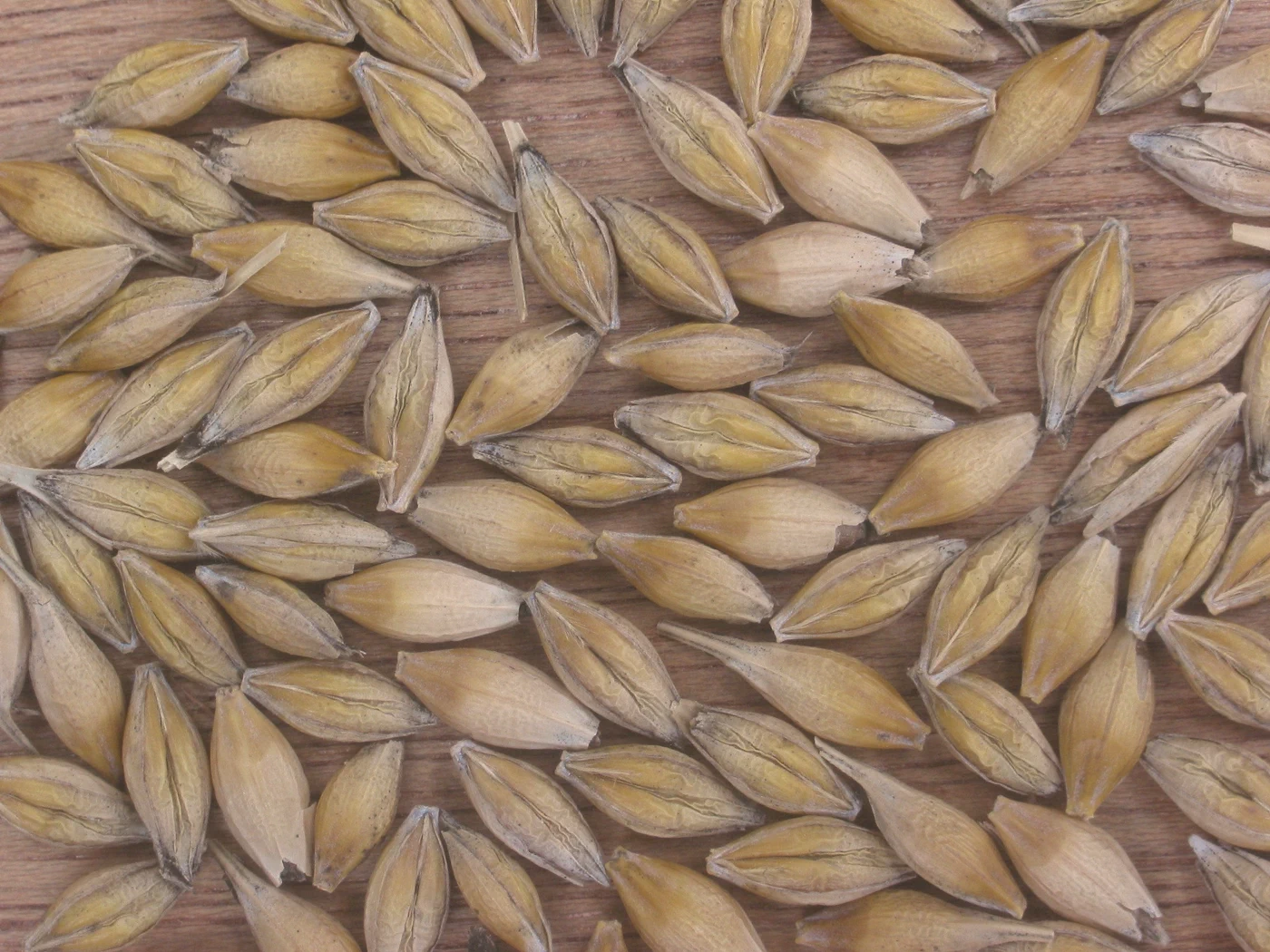
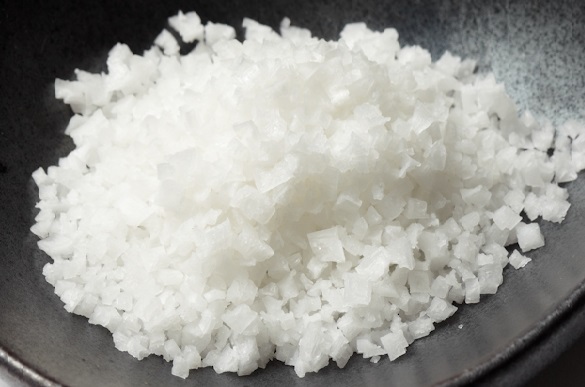

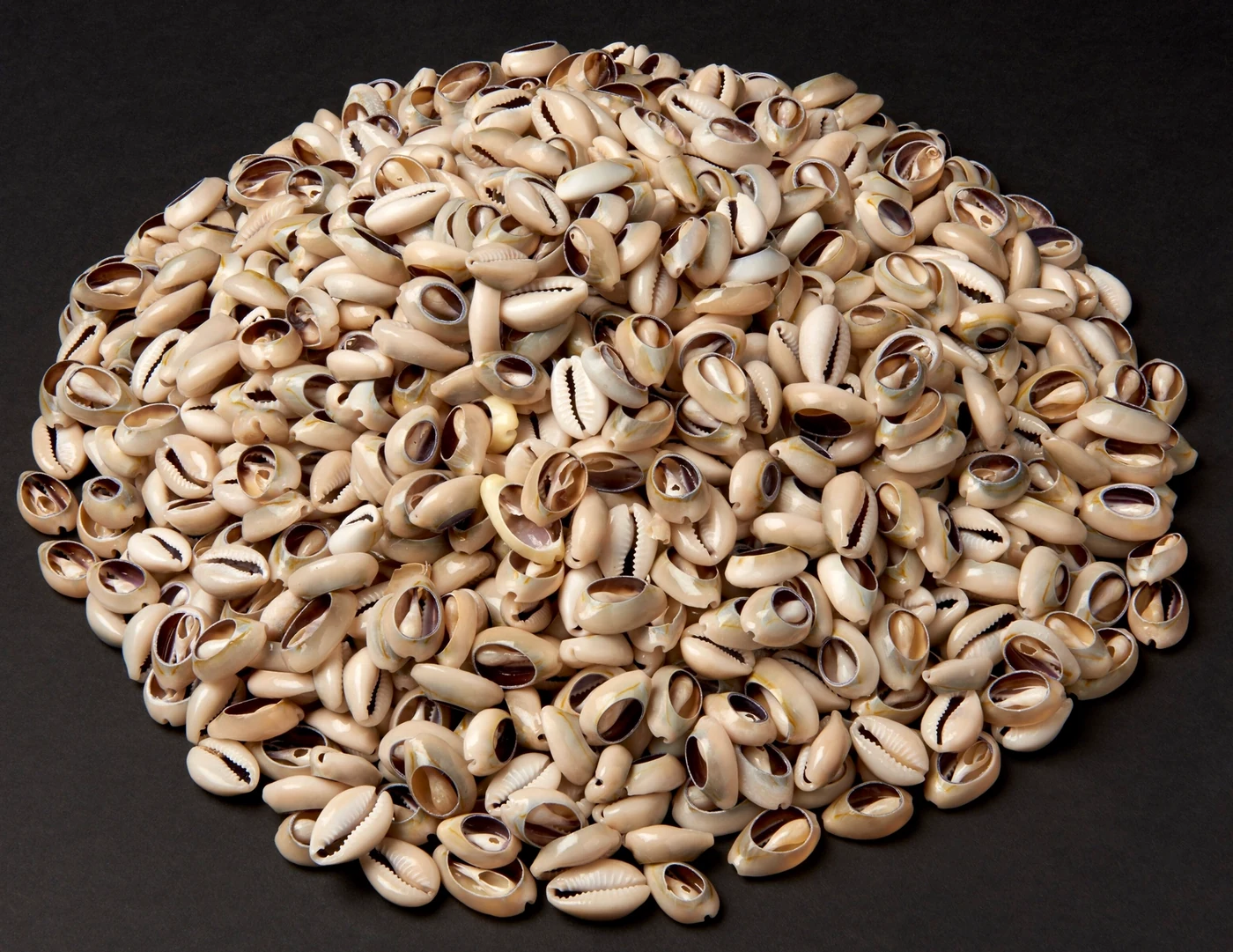
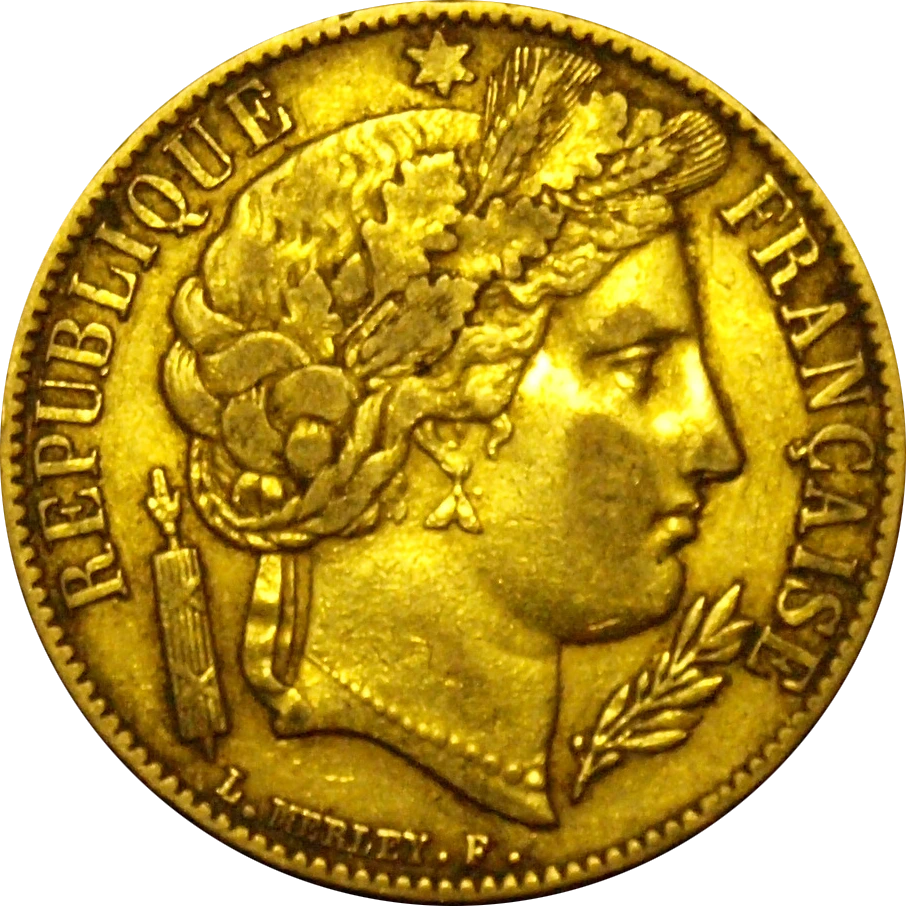
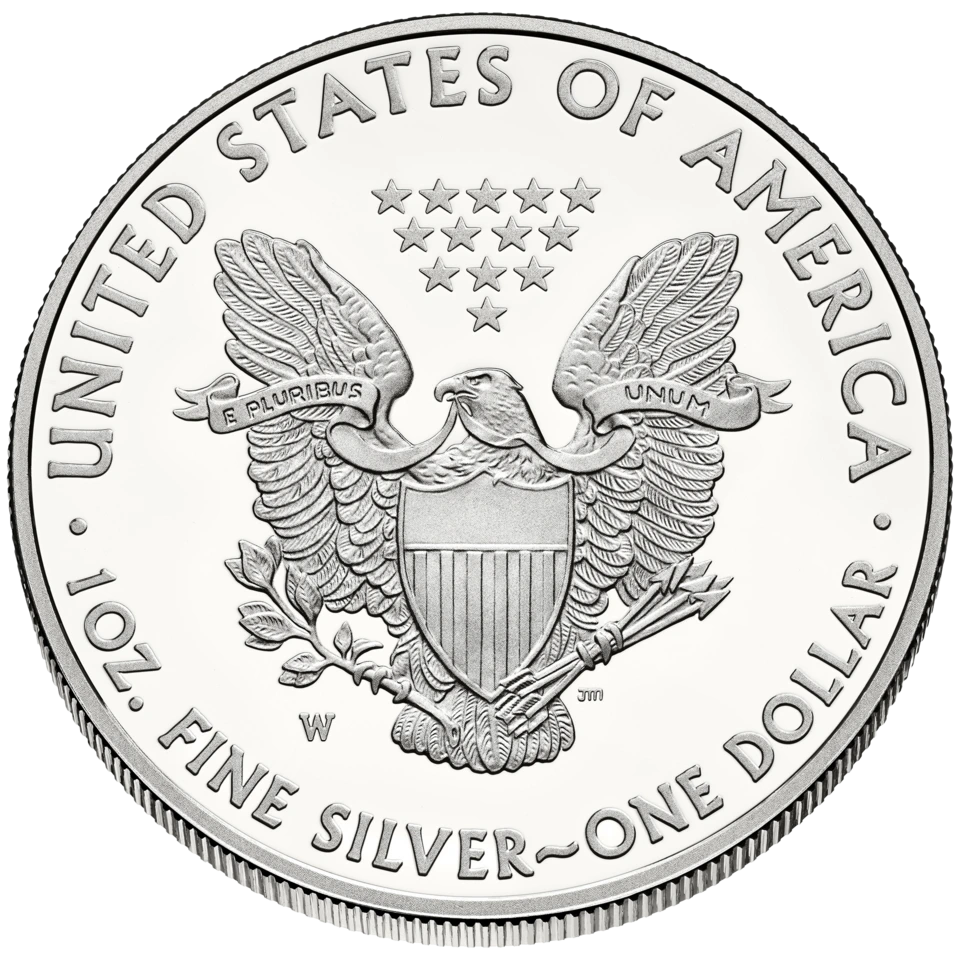
The verdict from this gallery is clear-cut: the moment a currency loses its hardness, it stops working as a store of value and inevitably ends up vanishing.
It's a striking historical pattern: over the long run, users abandon the batteries that leak for the ones that hold. A currency that's easy to dilute drains on its own; one that stays durably hard mechanically grows scarcer and scarcer, and protects whoever uses it.
Since 1971, no major currency is backed by gold anymore. The whole world runs on currencies whose hardness tends toward zero (fiat currencies). We chose transaction speed over the solidity of our battery.
But careful: when we use a currency that's "easy to create," we distort the price of time and effort. We send false signals to the entire society, which creates phases of artificial euphoria followed by violent crashes.
That leaves one open question: "Is there a currency whose hardness would be structurally guaranteed, without depending on any institution?" We'll come back to it.
Ready to see how this lack of hardness mechanically manufactures the we all endure? Let's go.